
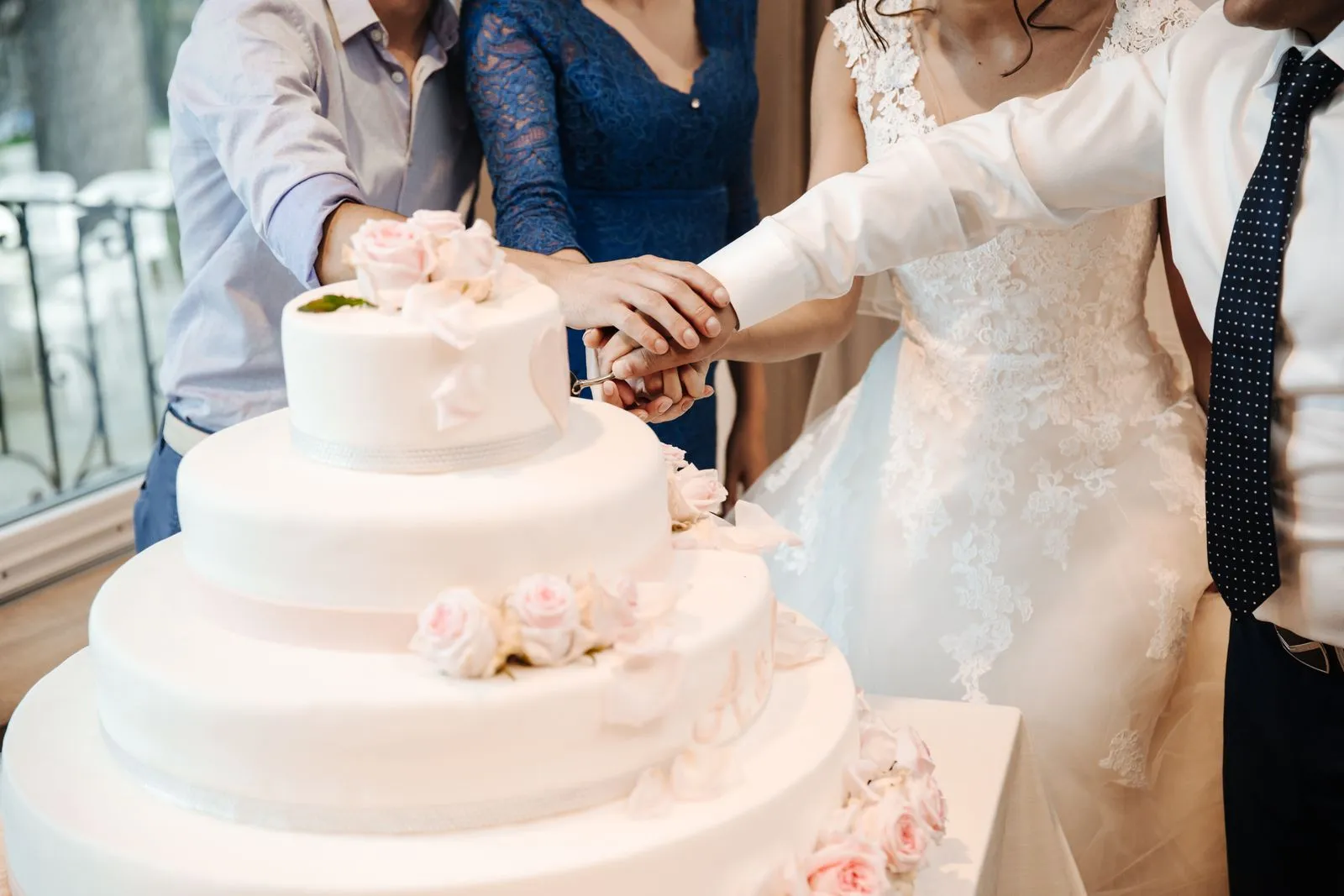
A wedding cake can carry more than a flavor you love. Its colors, patterns, and decorations can reflect the people, places, and traditions that shaped your celebration. The key is choosing details with personal meaning and translating them into a design that feels welcoming, not crowded. Start with a few elements you want guests to notice, then work with your cake designer to incorporate them in a way that suits your wedding style and the cake’s structure.
Choose Symbols With a Story
Make a short list of symbols that matter to you and your families. These might include a flower associated with a holiday, an animal found in family art, a motif from a meaningful textile, or an emblem connected to a place. Share the story behind each choice with your cake designer so they understand its significance rather than treating it as decoration alone.
Think about how a symbol should appear. A small fondant accent, a hand-painted detail, or a pattern repeated around one tier can make it recognizable without overpowering the cake. If a symbol has specific rules or meanings, confirm the design with relatives or community members before finalizing it.
Use Color With Intention
Wedding colors can honor a tradition, reflect a family connection, or simply bring a favorite palette to the table. Consider using a meaningful color as a ribbon, painted accent, sugar flower, or thin layer of detail between tiers. A neutral base can help a vivid shade stand out while keeping the overall look balanced.
Color meanings vary across families and communities, so ask what feels right to the people whose traditions you are representing. Bring fabric swatches, invitations, or photos of the reception décor to your cake consultation. These references help your designer coordinate colors and avoid surprises under the venue’s lighting.
Adapt Patterns Thoughtfully
Patterns from clothing, ceramics, architecture, and family heirlooms can inspire striking cake details. Share a clear photo of the original design and explain which parts you want to carry forward. Your designer might recreate a border in icing, paint a simplified motif by hand, or use a repeating pattern on just one tier.
Some patterns have cultural, religious, or family significance beyond their appearance. Check whether the motif is appropriate for a wedding cake and whether it should be shown in a particular way. When in doubt, consult someone knowledgeable and choose an adaptation that respects the source rather than copying a sacred or restricted design.
Make Room for Customs
If a cake-cutting custom or serving tradition matters to your celebration, plan for it early. Tell your designer how the cake will be presented, cut, or shared, and ask whether the design needs a stable surface, separate portions, or a particular arrangement. A tradition can shape the cake’s form as well as its decoration.
You can also represent a custom through a discreet detail, such as a meaningful topper or an accent inspired by serving ware. If several families are bringing traditions together, choose one or two cake elements to highlight and honor other customs elsewhere in the reception. This keeps the cake clear and the celebration inclusive.
The most memorable cultural details are the ones you can explain with a story. Gather references, ask family members about meaning, and share practical details with your cake designer before settling on the final look. Sugar & Story can help you explore ways to bring those ideas together in a cake that feels like yours.